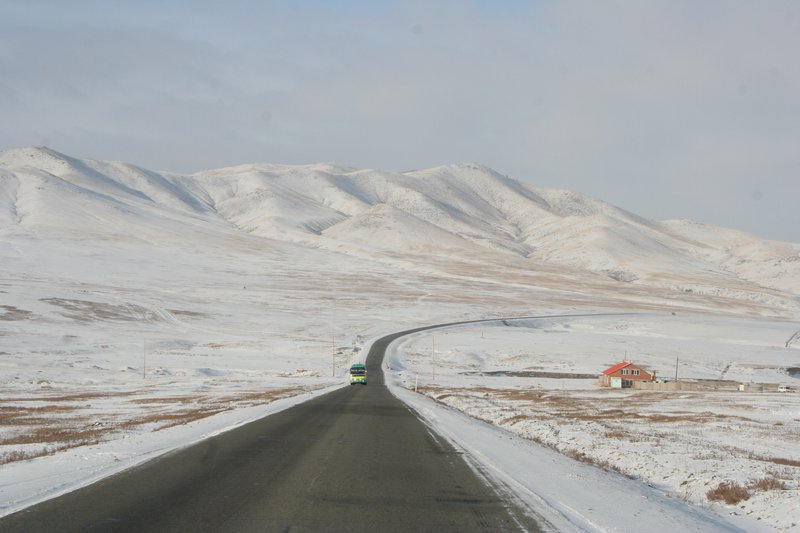
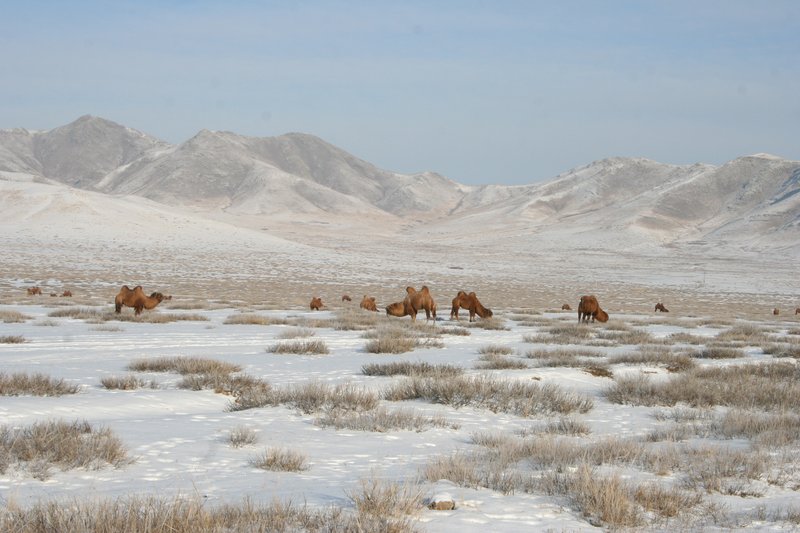
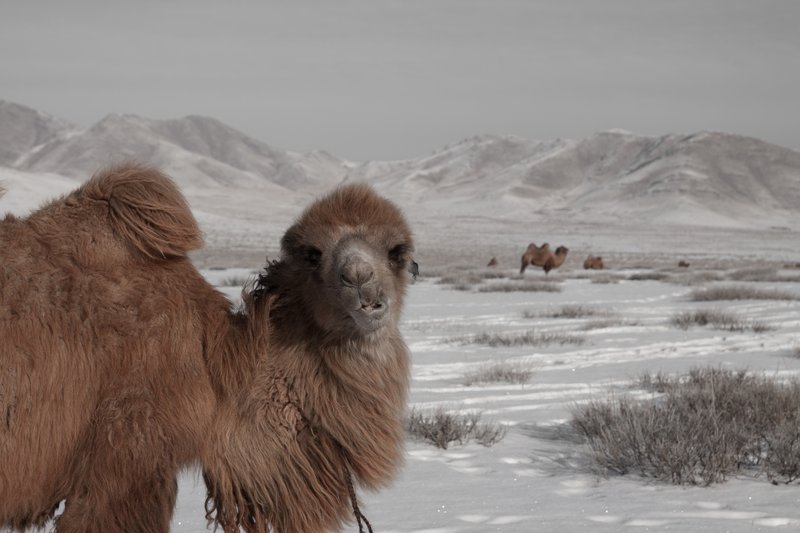
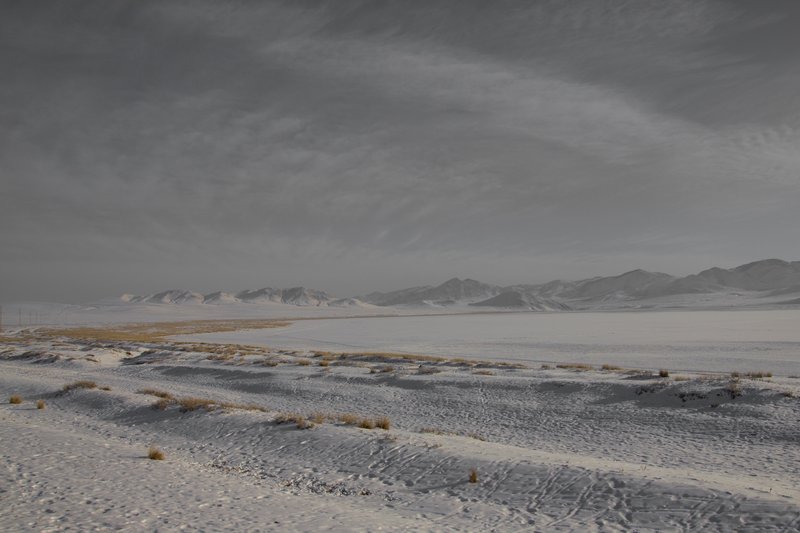
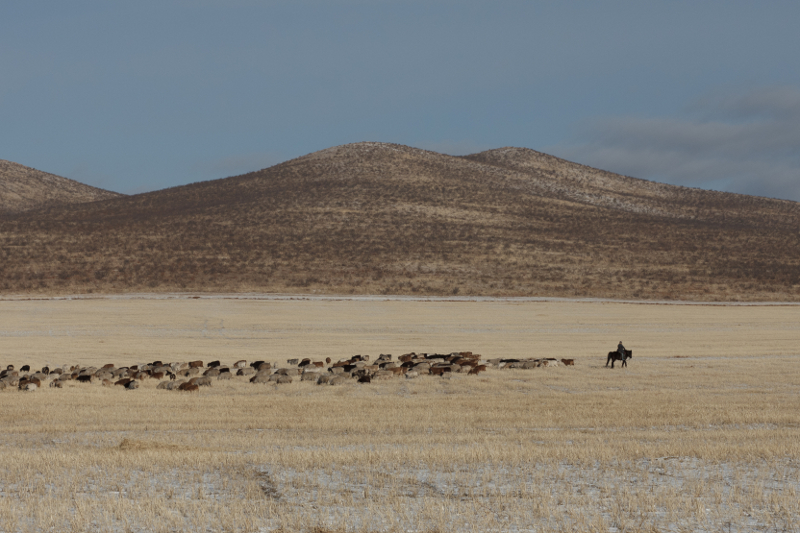
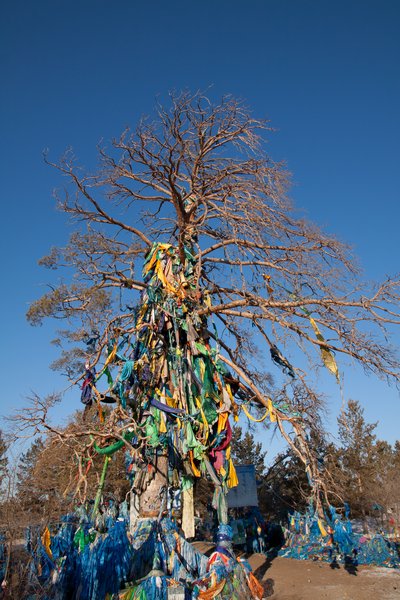
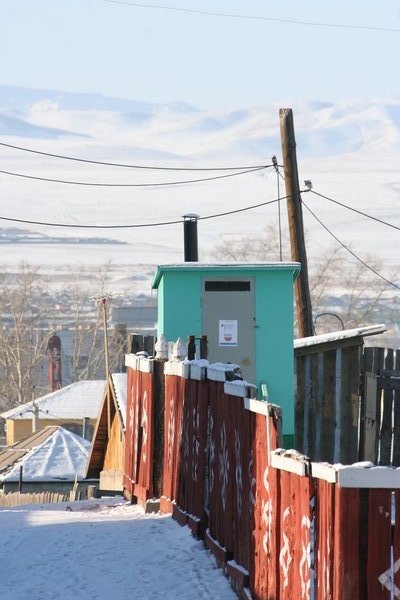
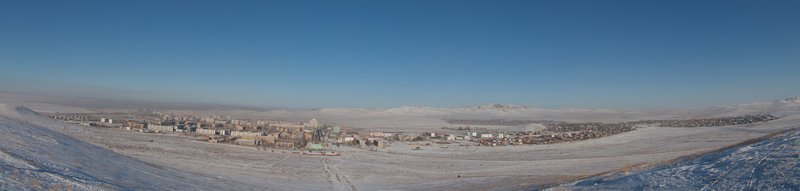
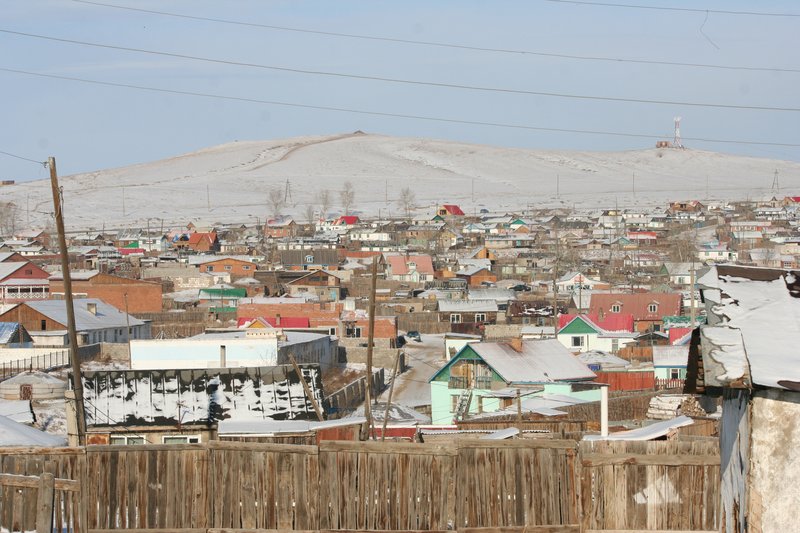
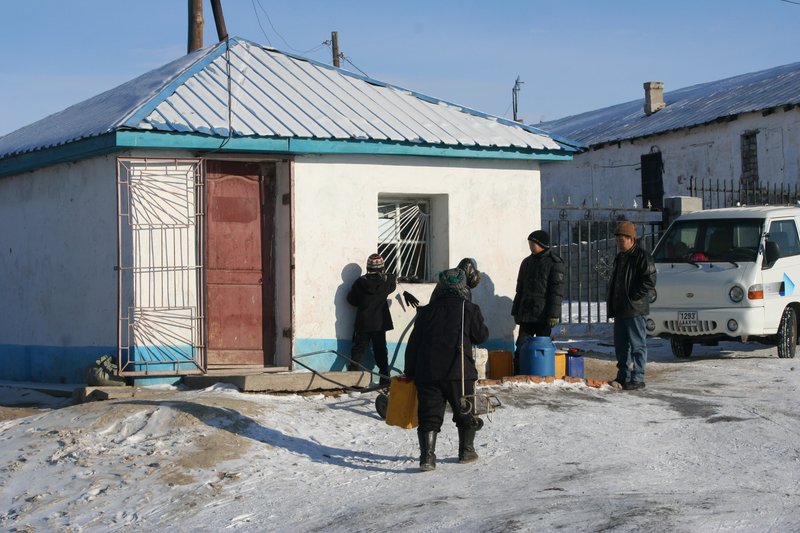
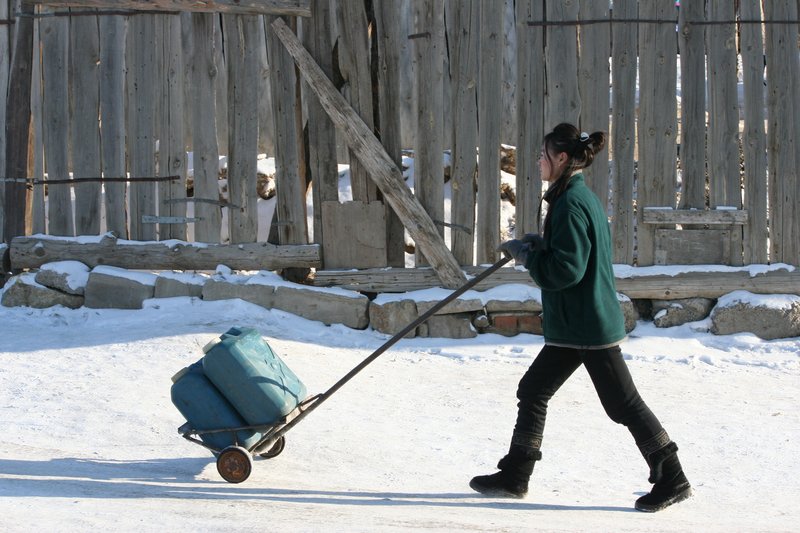
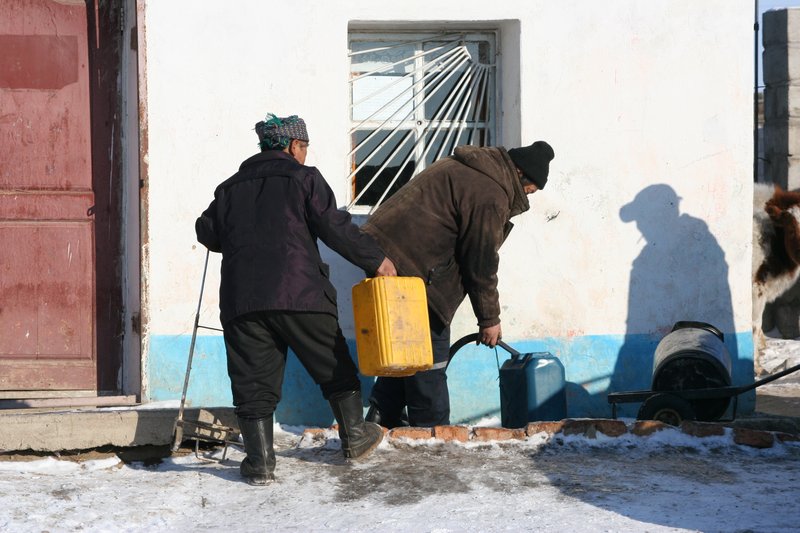
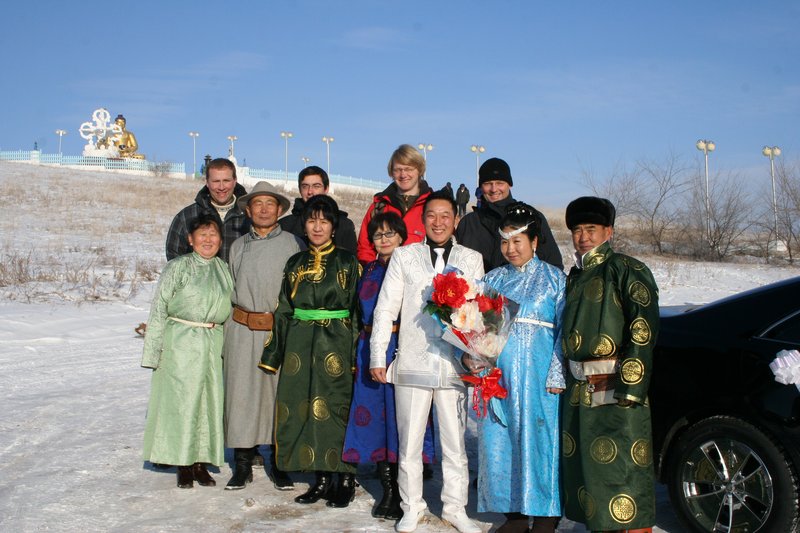
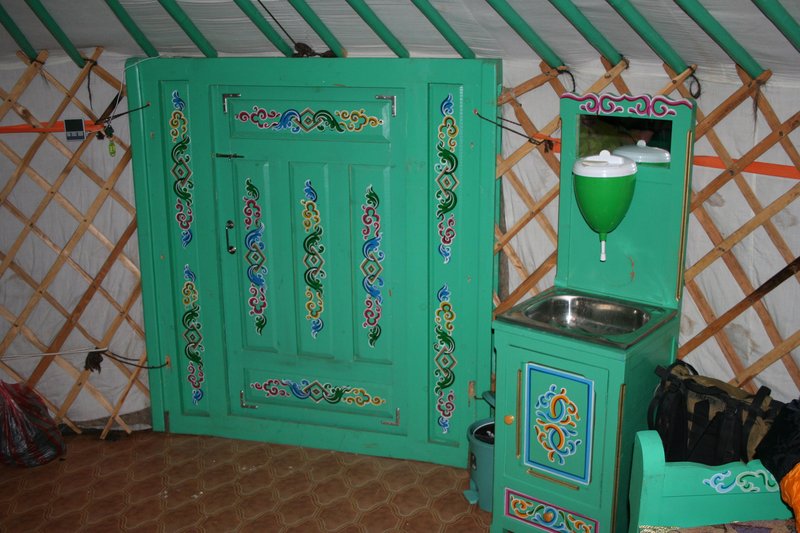
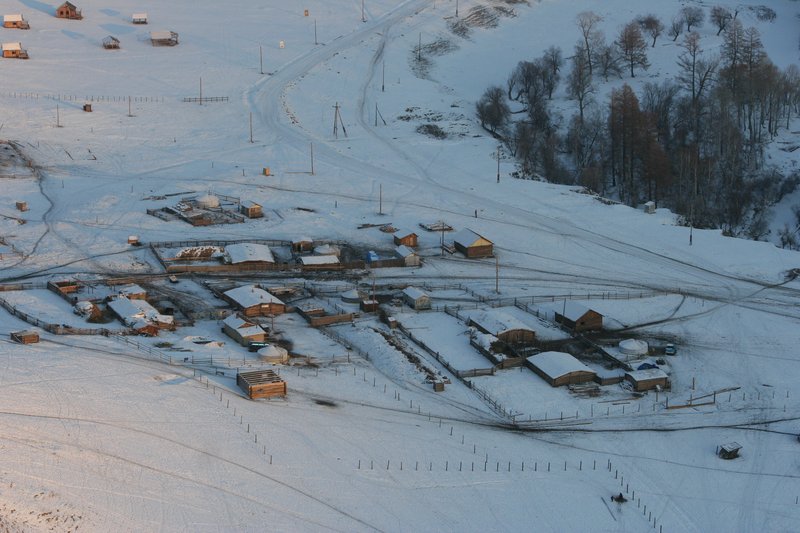
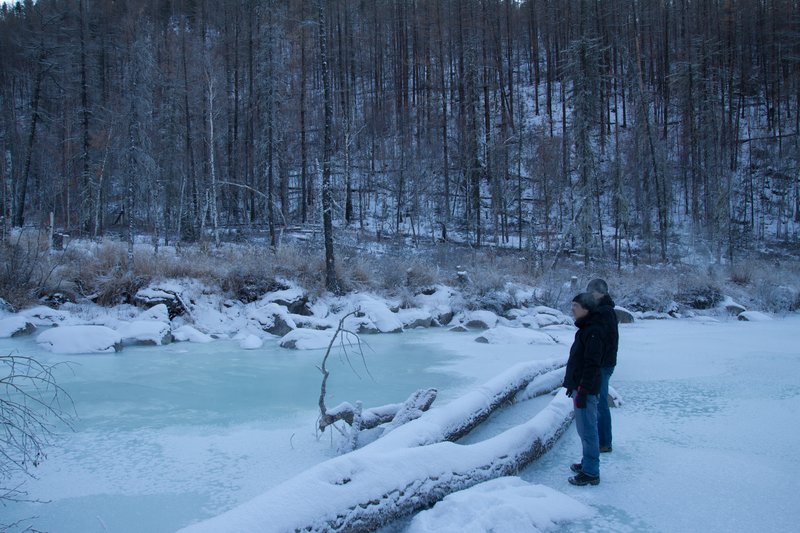
At the beginning of December, 3 terrestris employees traveled to Mongolia to conduct a geodata management workshop as part of the project “Integrated Water Resources Management in Central Asia: Model Region Mongolia (MoMo).” You can read the initial report on this in the News section. At this point, we would like to report on our activities and experiences of the last 2 weeks and, of course, show you a few pictures from Mongolia.
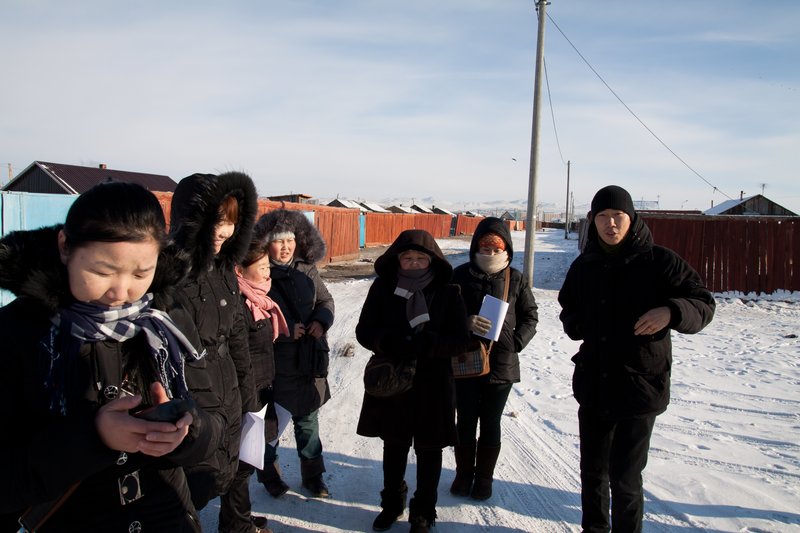
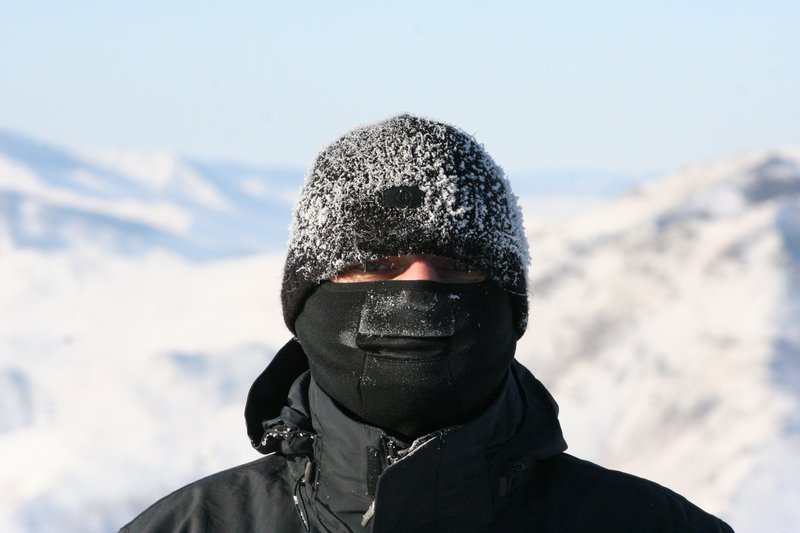
When a Central European travels to Mongolia in December, one fact is particularly important: the cold. Yes, it is very cold, but to our surprise, both -20°C and -35°C, which we experienced at a minimum, could be easily endured with standard hats, jackets, gloves and long underwear. The important thing in the cold is not to stand around, but to keep moving.
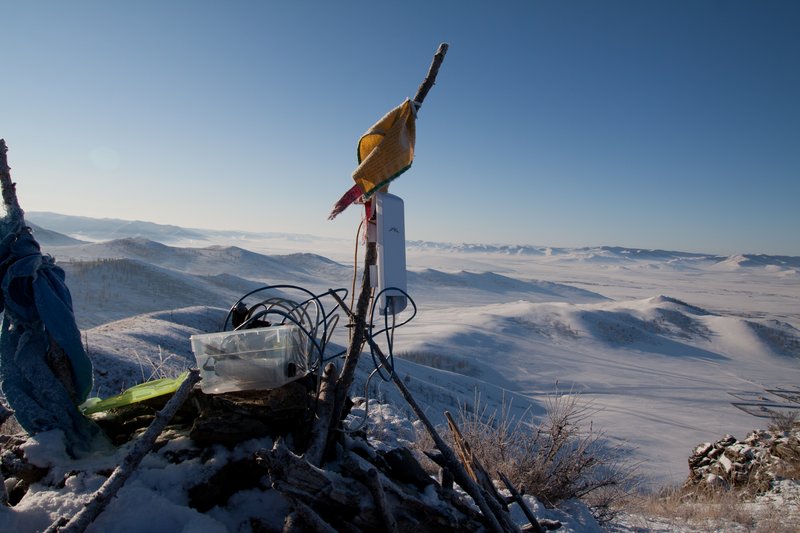
The first day in Ulan Bator was mainly spent shopping, as we needed a local mobile phone card as well as batteries and a plastic box for our data transmission technology, which we wanted to test in the Sognegor Valley. Shopping usually takes a little longer than normal, probably also due to the language barrier.
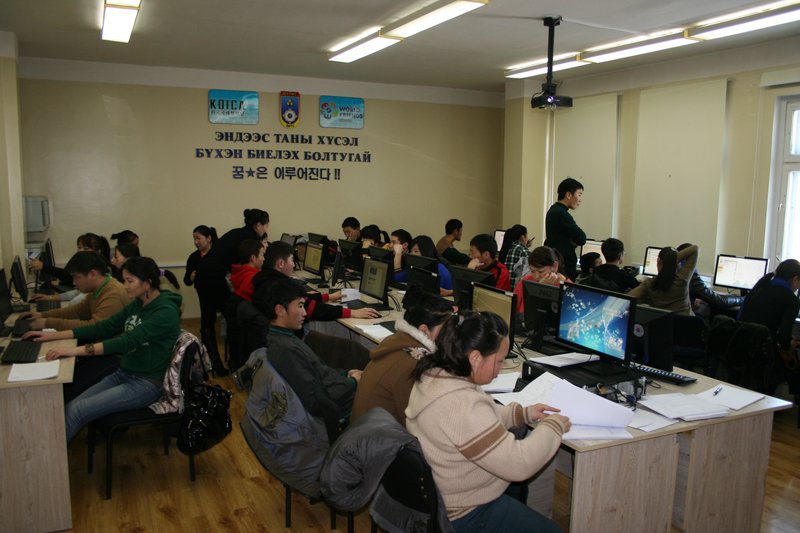
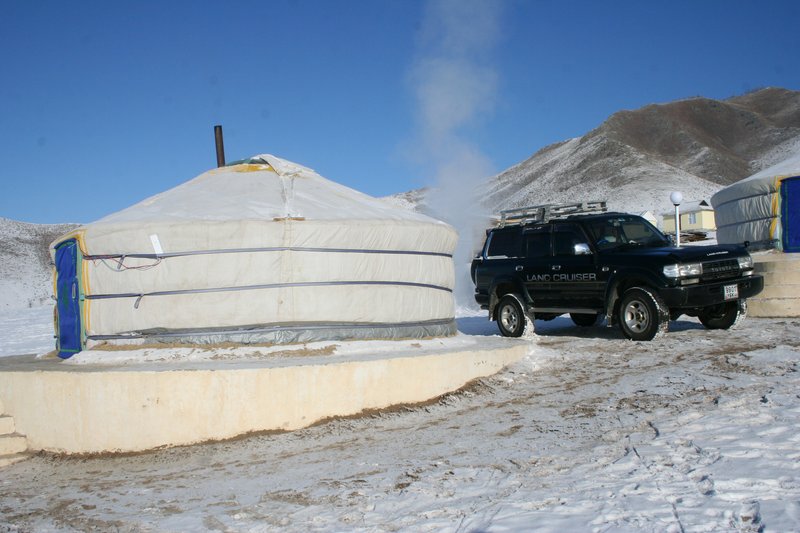
On the 2nd day, our driver Natsga drove us with his off-road vehicle to the city of Darkhan, about 250 km north of Ulan Bator, which is considered the second largest city in Mongolia. The computer room intended for the workshop was prepared by the terrestris team by installing the required software programs QGIS and JOSM on the computers. The workshop was opened by the MoMo project coordinator, the German Ambassador to Mongolia and the Director of the Technical University in Darkhan. See also the 1st report on the trip to Mongolia.
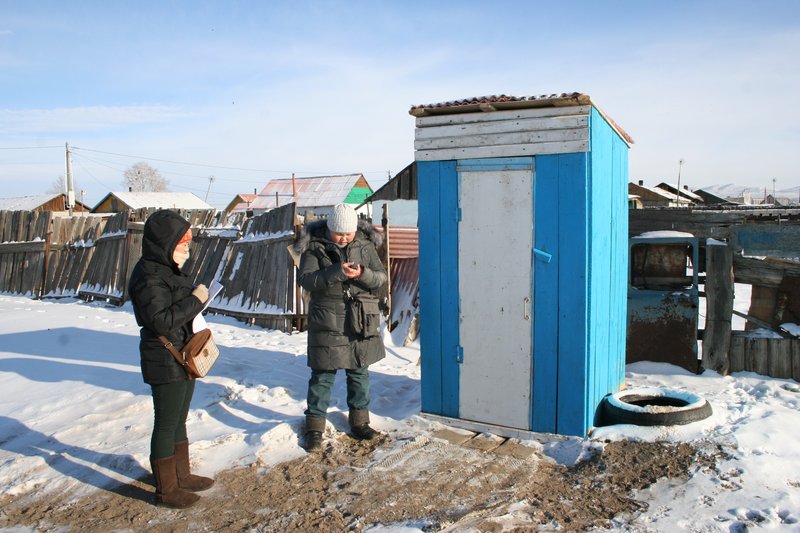
On the first day, the workshop provided a general introduction to geodata and Geographic Information Systems (GIS), while on the second day, practical exercises were carried out with the free desktop GIS Quantum GIS. On the following 3 days, practical mapping exercises were carried out, the results of which were uploaded to the OpenStreetMap (OSM) platform.
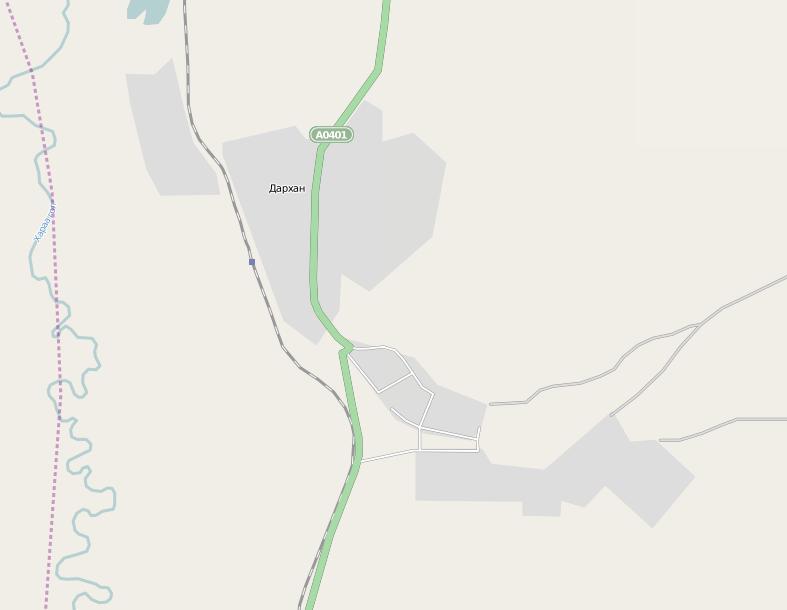
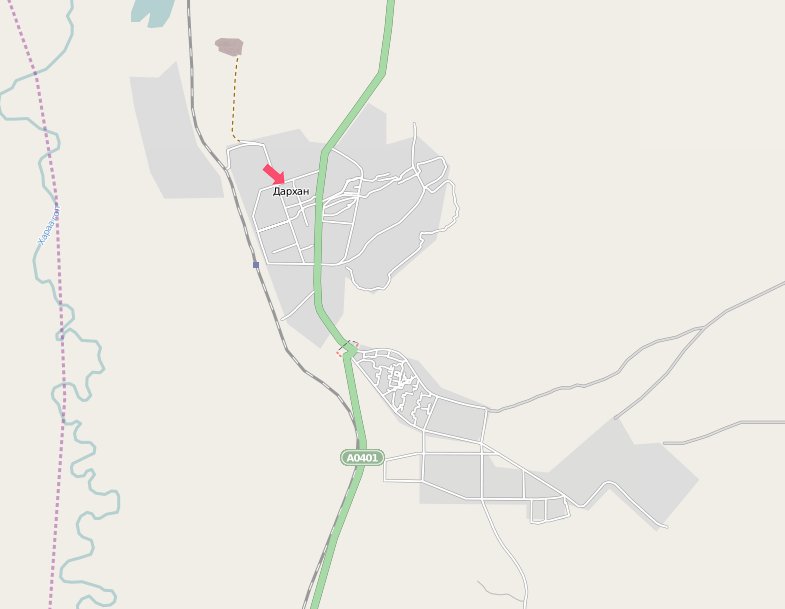
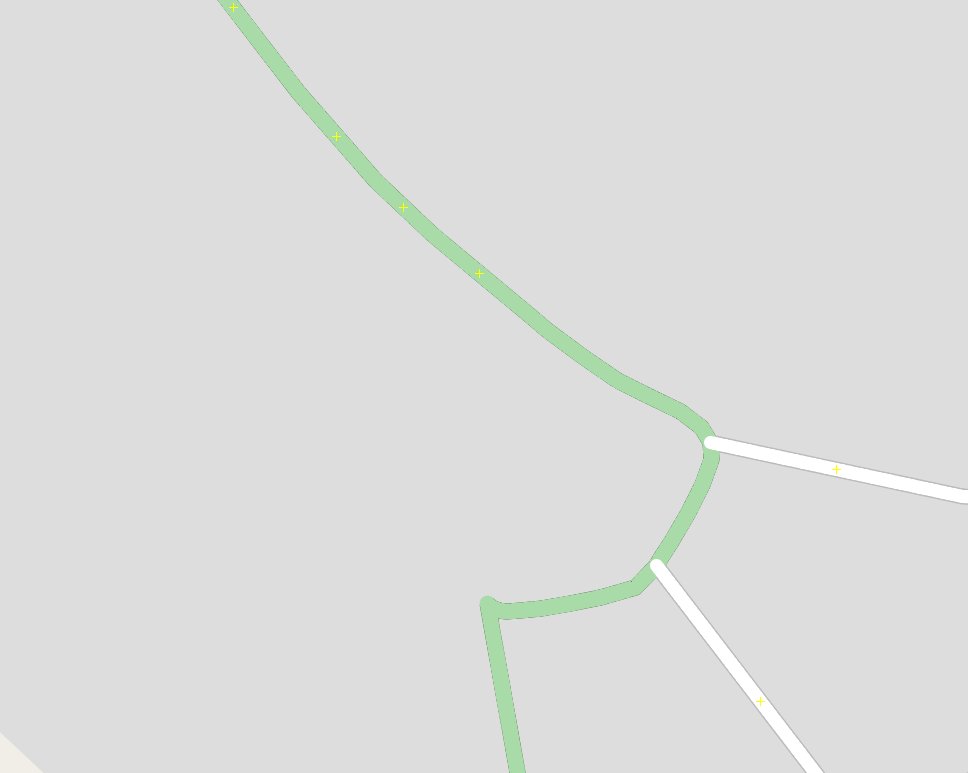
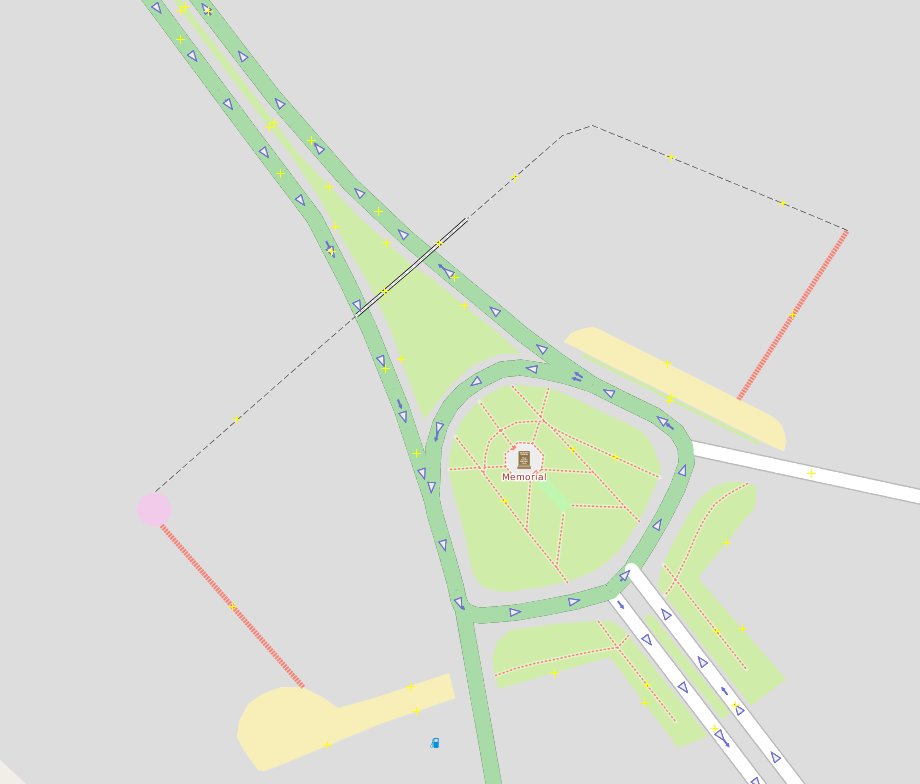
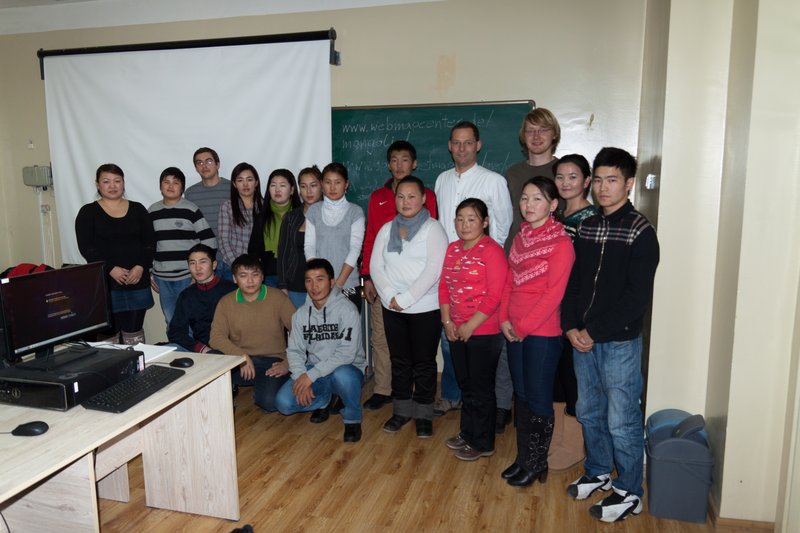
OSM is a free wiki world map that is created by volunteers around the world using GPS devices, among other things. The workshop can be described as a complete success. None of the participants had heard of the OpenStreetMap project until the workshop and, in the course of the 5 days, in addition to a basic understanding of geodata management, the map of Darkhan was filled with information. The corresponding before/after picture speaks for itself. In addition, various lecturers from the agricultural and technical universities of Darkhan took part in the workshop and want to offer the contents of the workshop in their own courses. The OpenStreetMap platform is of course ideally suited for this because it is open to all interested parties at all times.
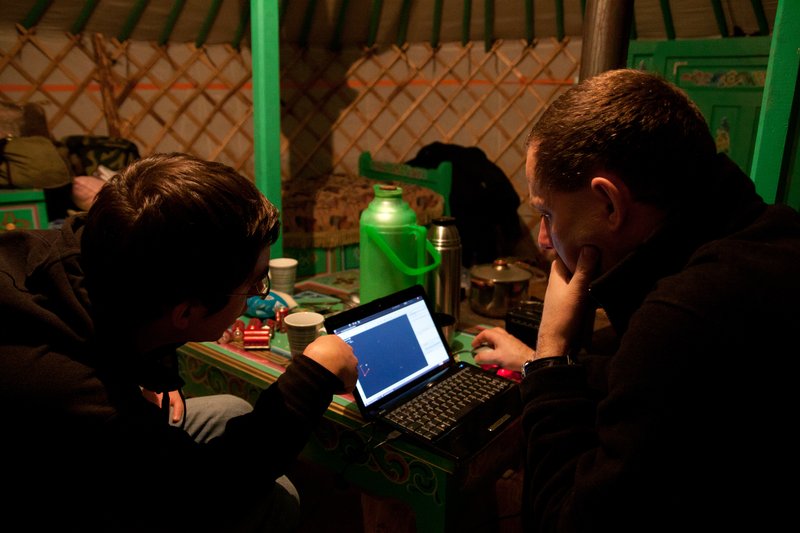
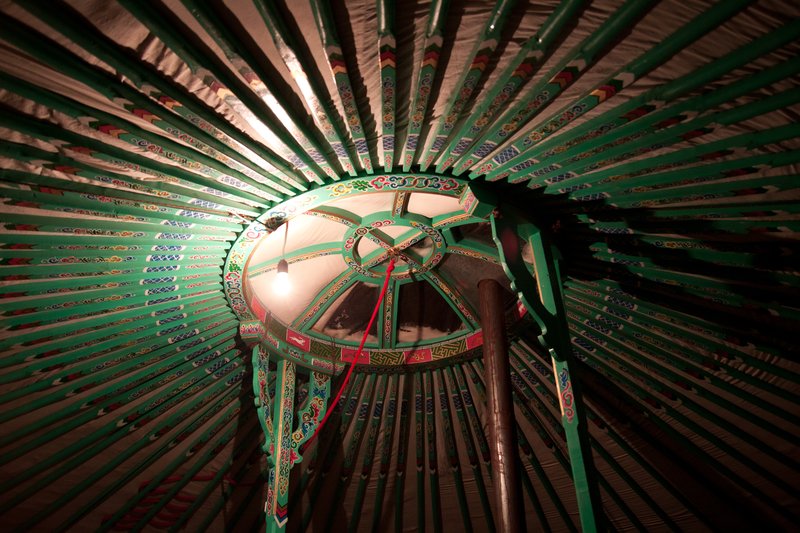
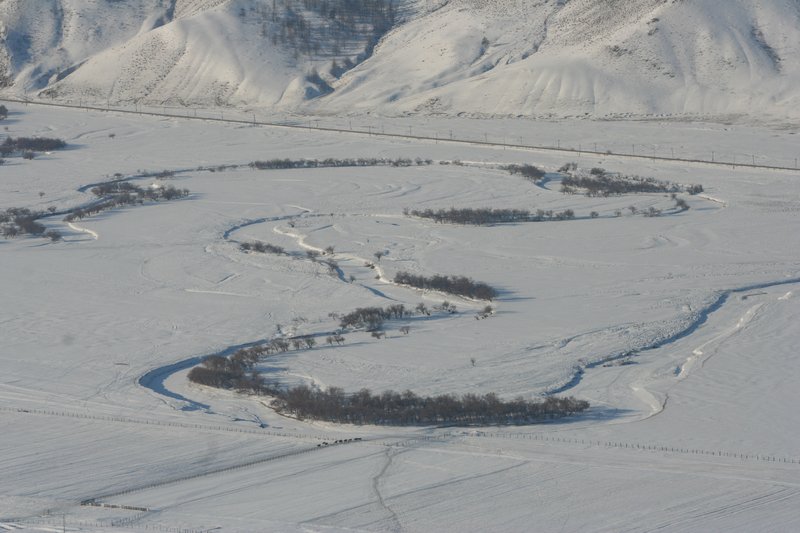
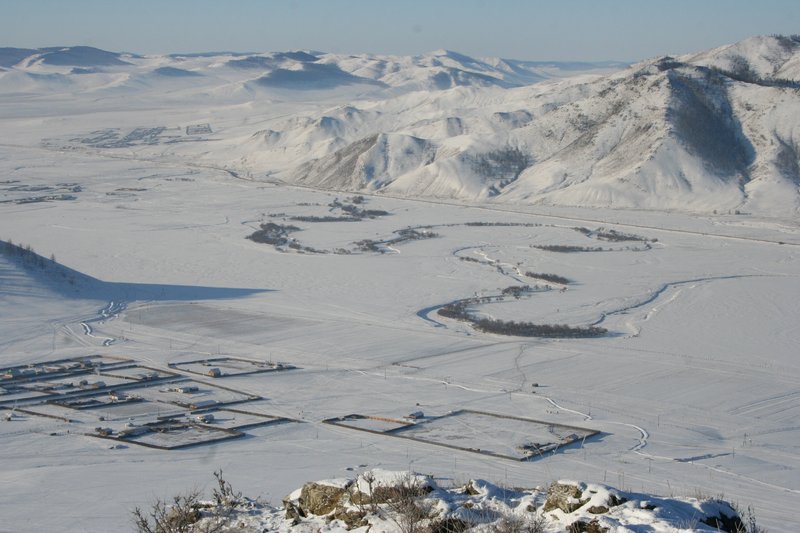
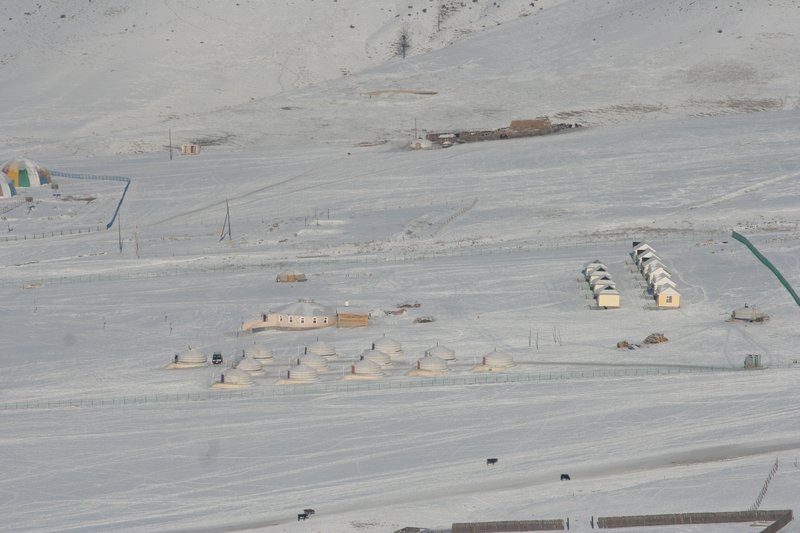
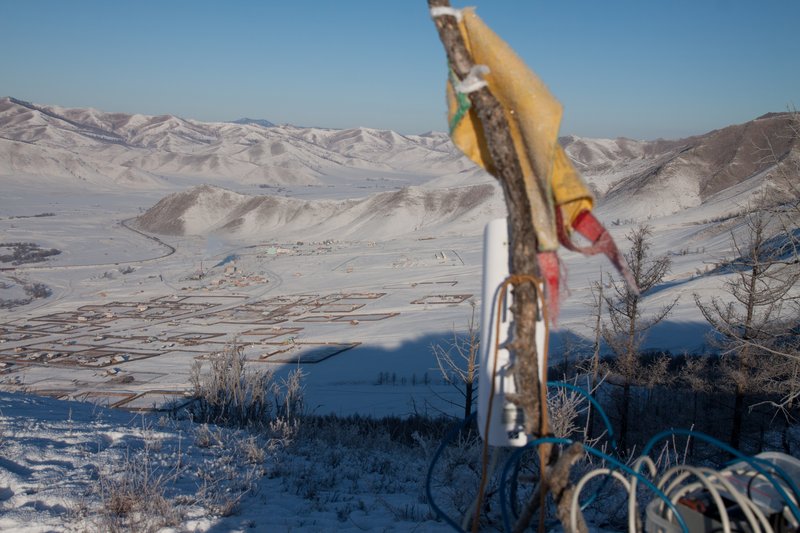
The terrestris team spent the last two days of their stay in Mongolia in the Sognegor Valley, where various MoMo sub-projects have their work based. In addition to exploring the valley, modern data transmission technology from terrestris was tested there. This involves special WLAN technology in the 5 GHz range, which enables high data throughputs with relatively low energy consumption. The test included the wireless transmission of webcam images from a mountain over a distance of approx. 2 km to a yurt. At -30°C, the batteries lasted just under 4 hours and transmitted just over 14 MB of data. This test is also rated as a complete success by terrestris and we were particularly impressed by the simplicity and robustness of the technology used, which has a phenomenally good price/performance ratio. At this point, we would like to thank Prof. Christof Hübner from the Mannheim University of Applied Sciences and Bernd Strehhuber from plan b. solutions GmbH, who provided us with the technology.